Featured stories
Drag or swipe to choose a story, or select a star on the orbit. The selected story becomes the center image. Use Left and Right arrow keys, Home, or End. Press P to pause or resume automatic changes. Automatic changes pause while you interact.
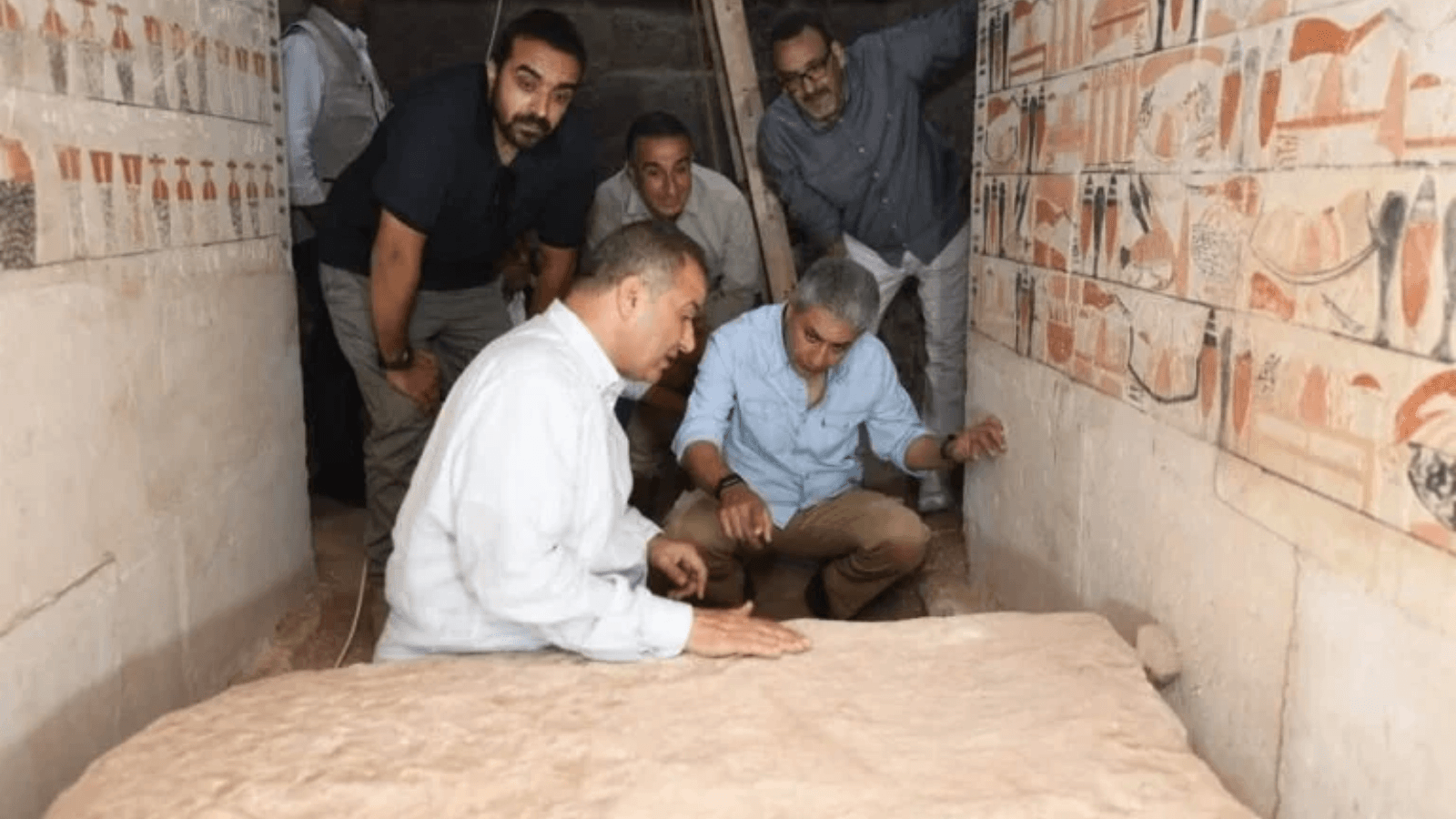
An Old Kingdom tomb near King Merenre’s pyramid has revealed unusual objects that archaeologists cannot yet fully explain. The discoveries, including two wooden figures and possible medical instruments, raise new…
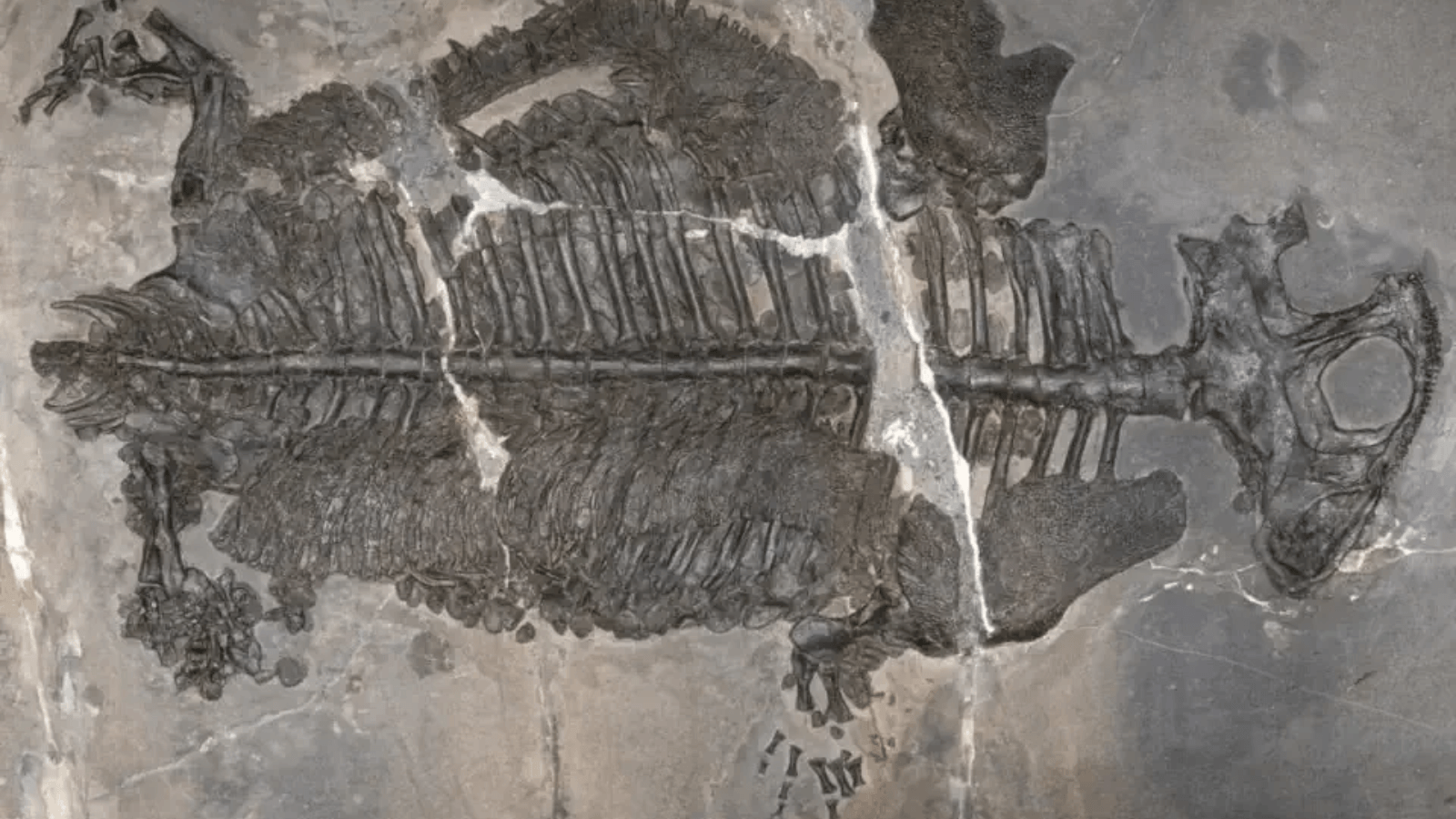
Two remarkably preserved skeletons from China reveal an armored amphibian that lived permanently in the ocean 237 million years ago. The discovery challenges a long-standing view of amphibian evolution and…
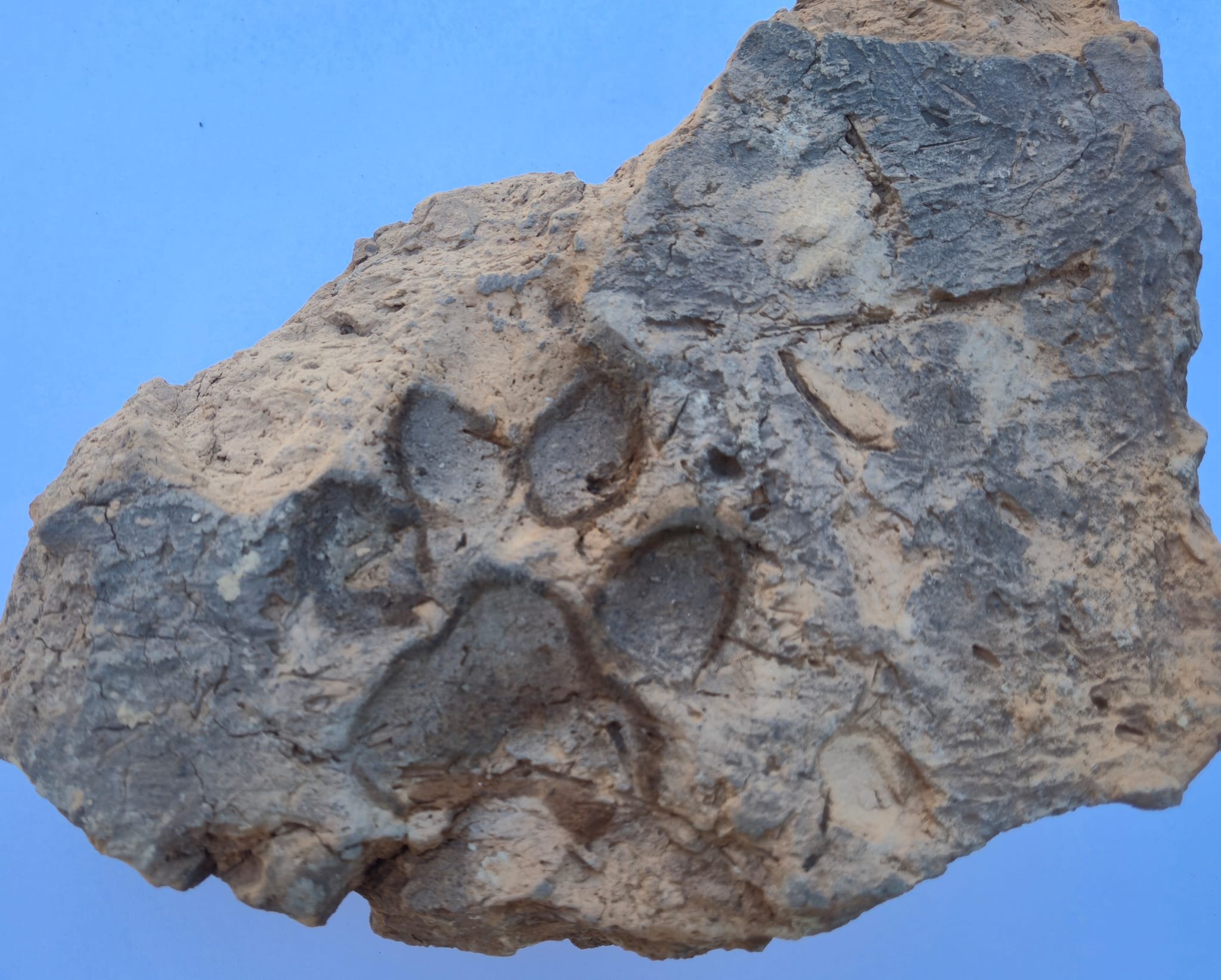
Nearly 4,000 years ago, a dog walked across a wet mudbrick in western Anatolia, leaving paw prints that would survive for millennia. Archaeologists have now discovered the marked brick among…
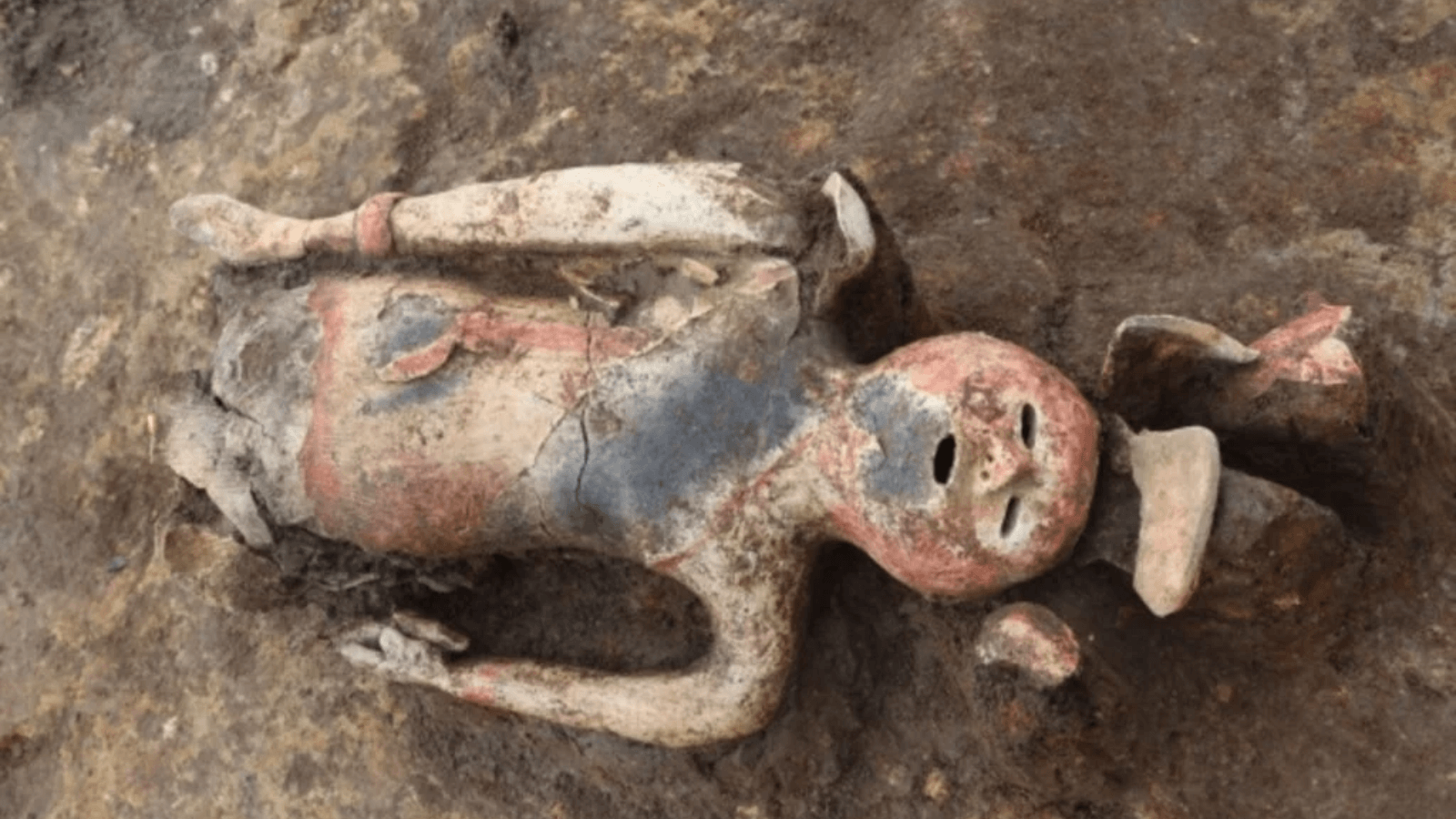
An early clay sculpture of a woman believed to have taken part in rituals has been recovered from a fifth-century tomb in Gunma. The find is among the region’s oldest…
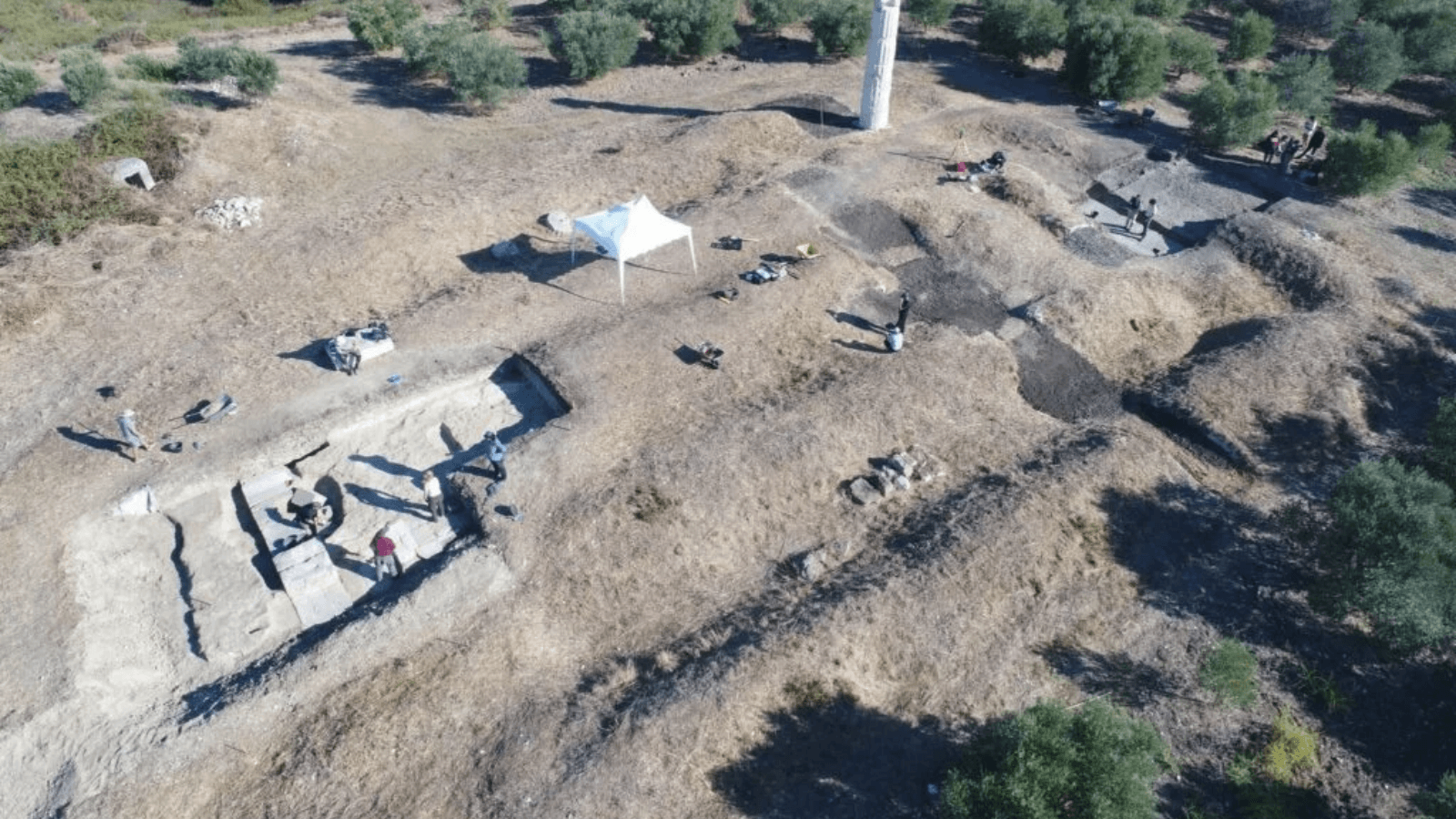
New excavations at Shtyllas have identified roof tiles apparently brought from the Greek island of Paros and from Corinth, offering a clearer picture of a long-vanished sanctuary. Ancient coins, pottery,…
Keep discovering
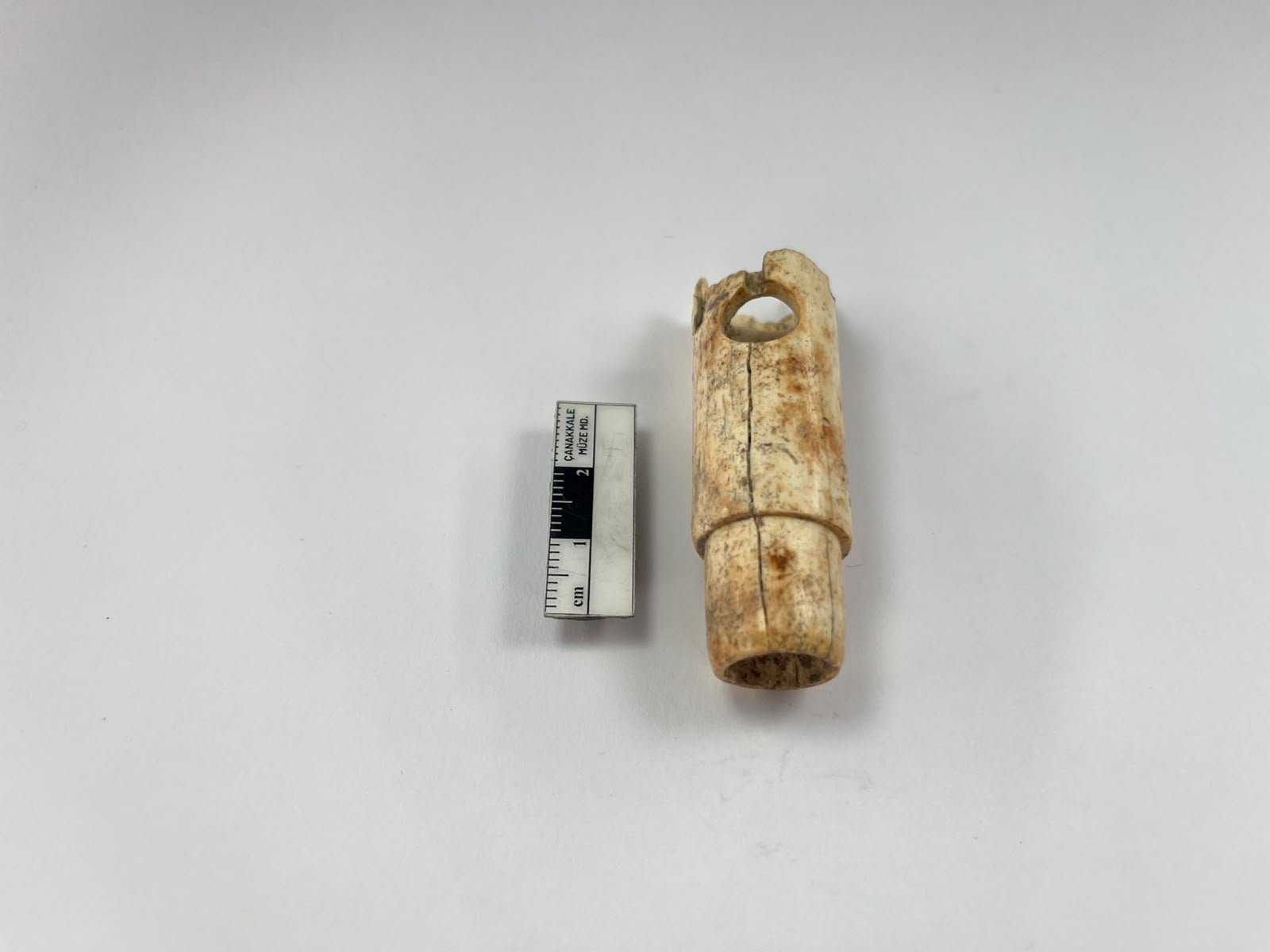
A 2,800-year-old bone flute has become the first musical instrument identified in more than 160 years of excavations at ancient Troy in Türkiye. The rare…
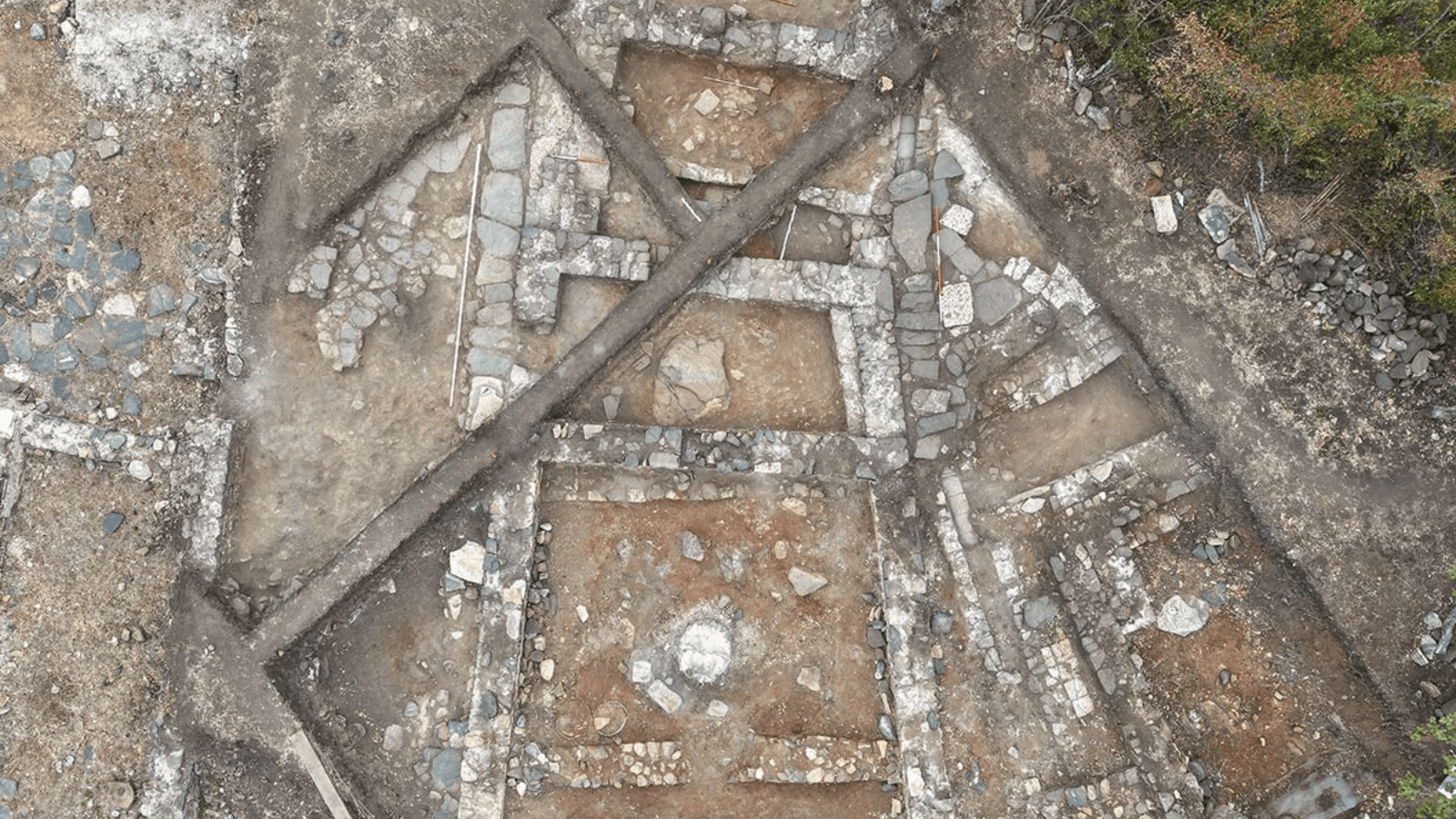
An ancient temple in Bulgaria may have been one of the last strongholds of Thracian pagan worship. Archaeologists have uncovered a remarkable marble relief of…
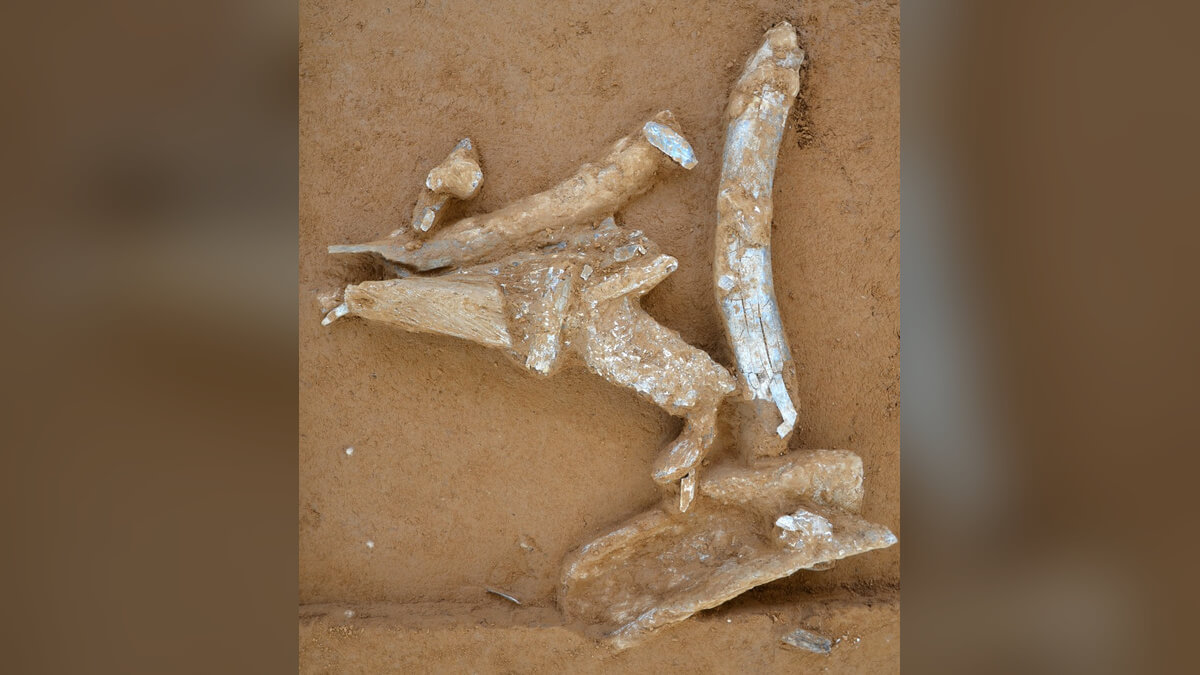
A remarkable concentration of mammoth bones discovered at a 30,000-year-old settlement in Germany is challenging a long-standing interpretation of Ice Age life. Cut marks on…
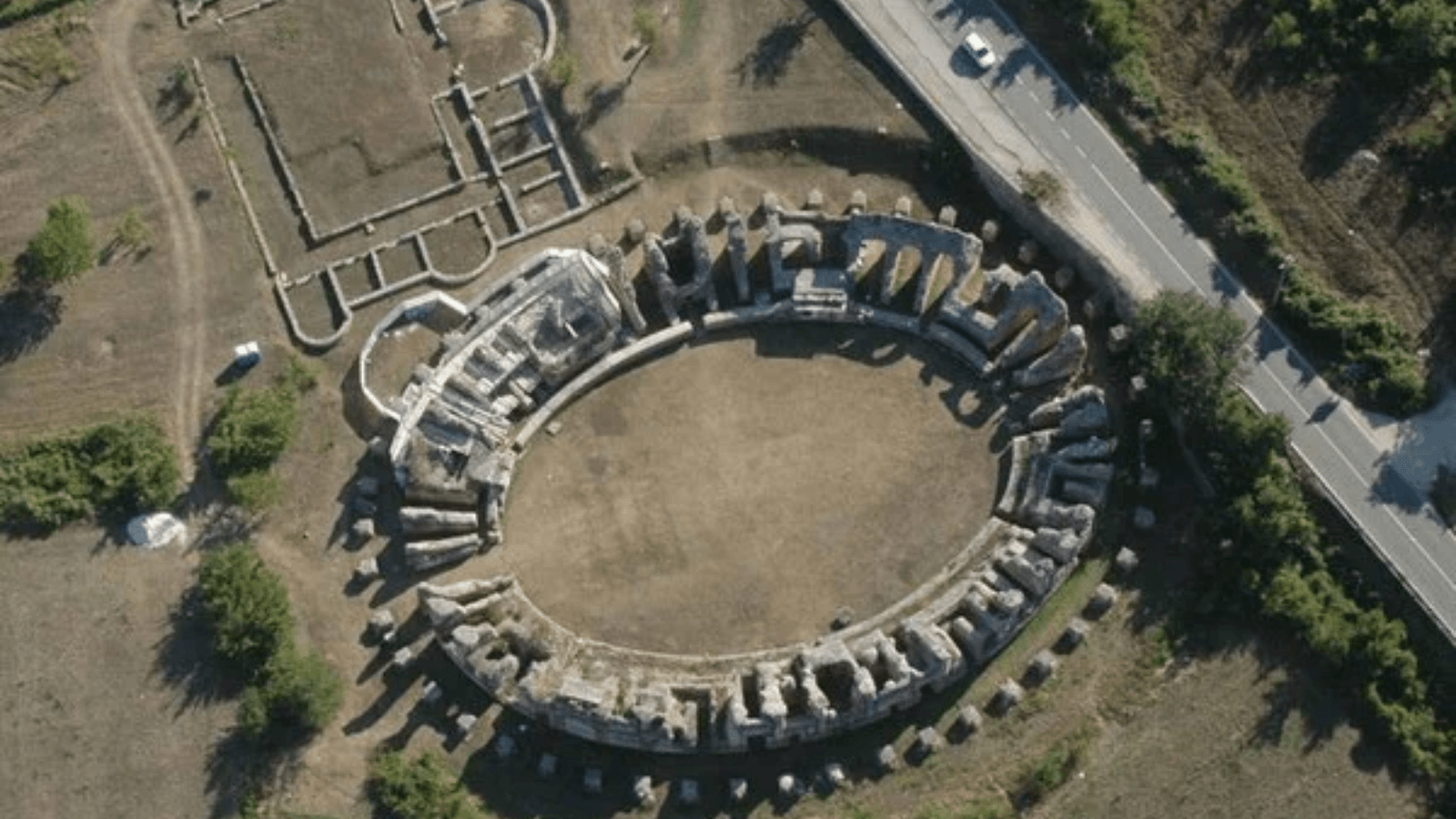
Ancient DNA recovered from 16 burials in central Italy reveals a striking genetic difference between the Roman Imperial period and the early Middle Ages. The…
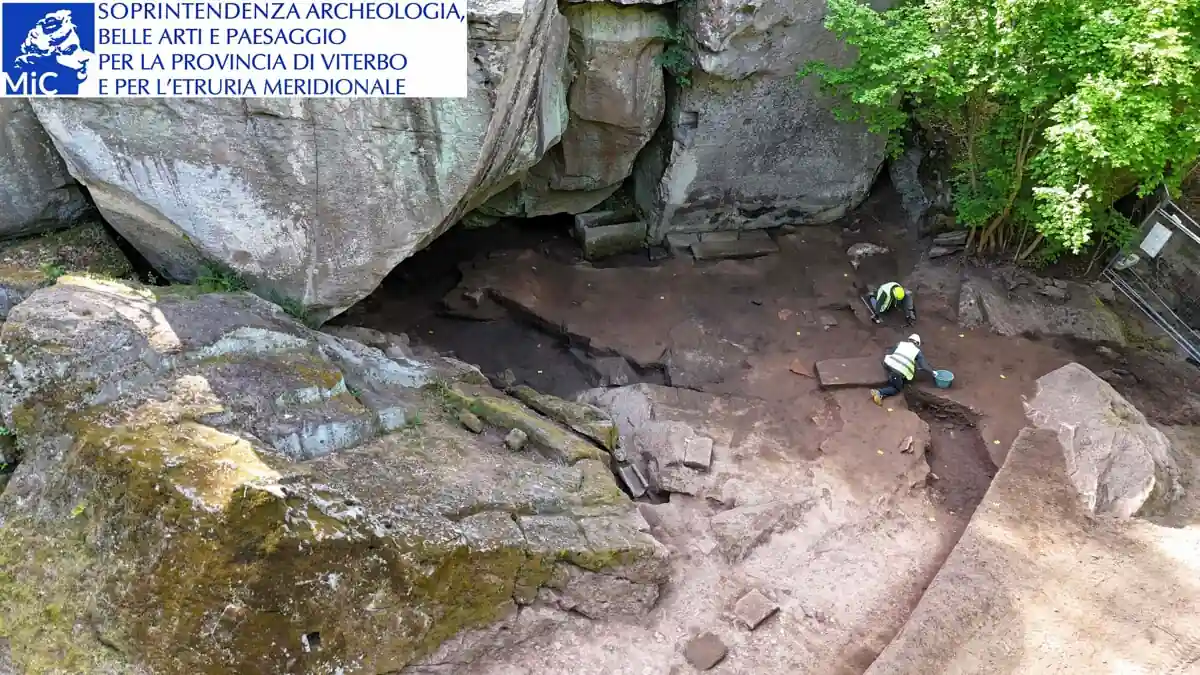
New archaeological excavations at a secluded sanctuary in central Italy have revealed evidence of human activity predating its known Etruscan and Roman phases. The discoveries…
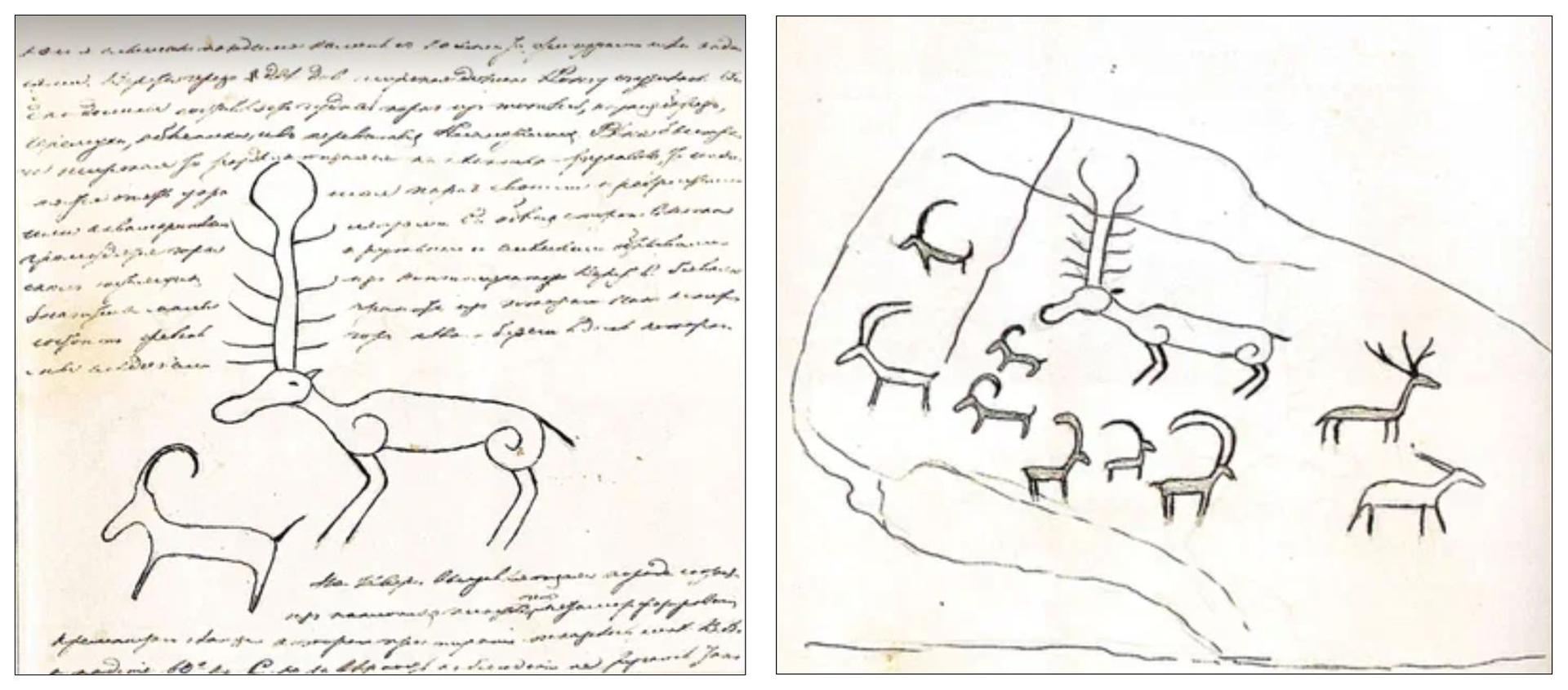
Archaeologists in Kazakhstan have rediscovered ancient rock carvings first recorded by a Russian explorer in 1856, including an extraordinary deer with towering, branching antlers. The…
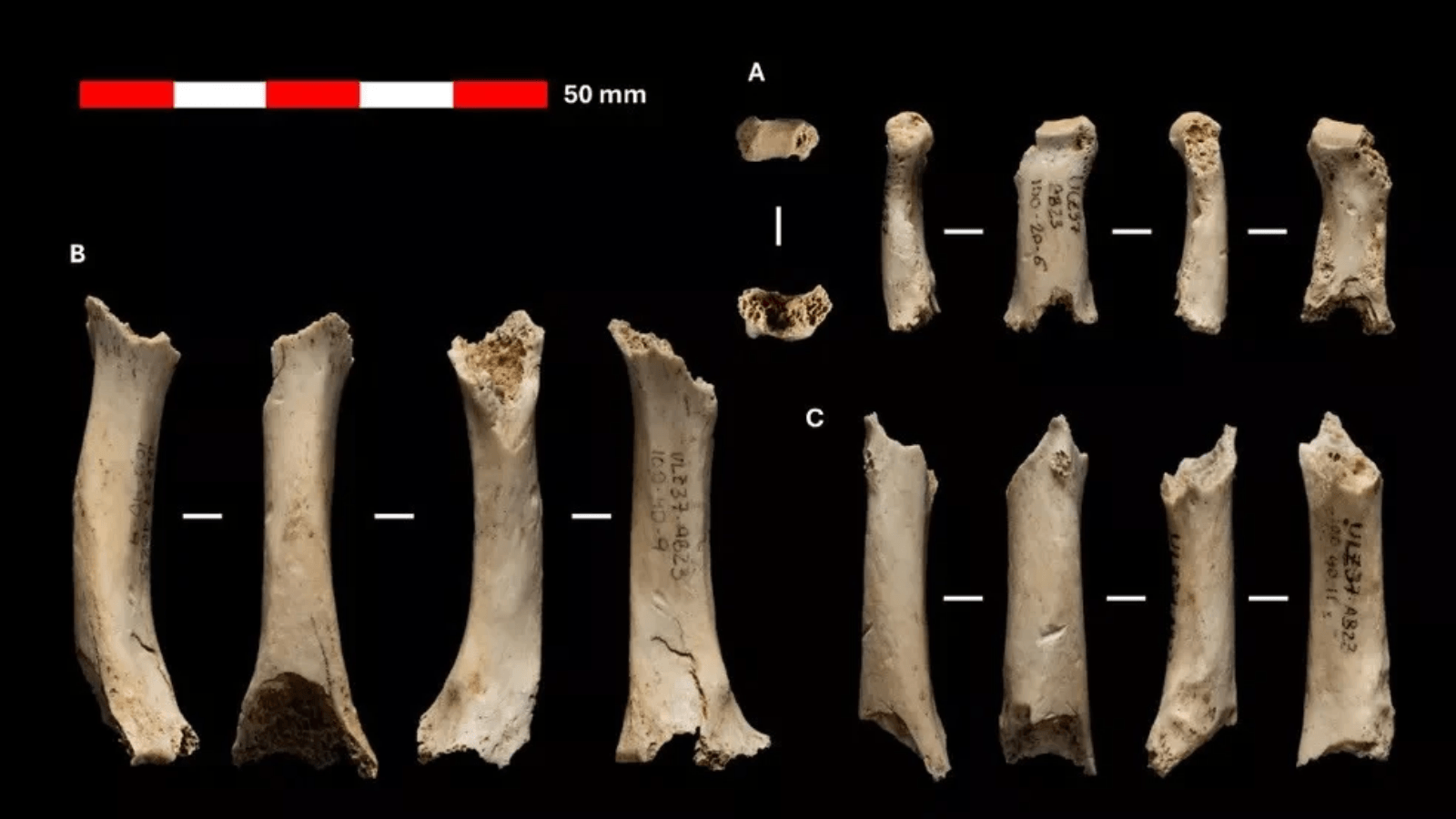
Six Neanderthal hand bones discovered in a cave in northern Spain are the oldest human remains ever identified in Navarre. The fossils, dated to between…
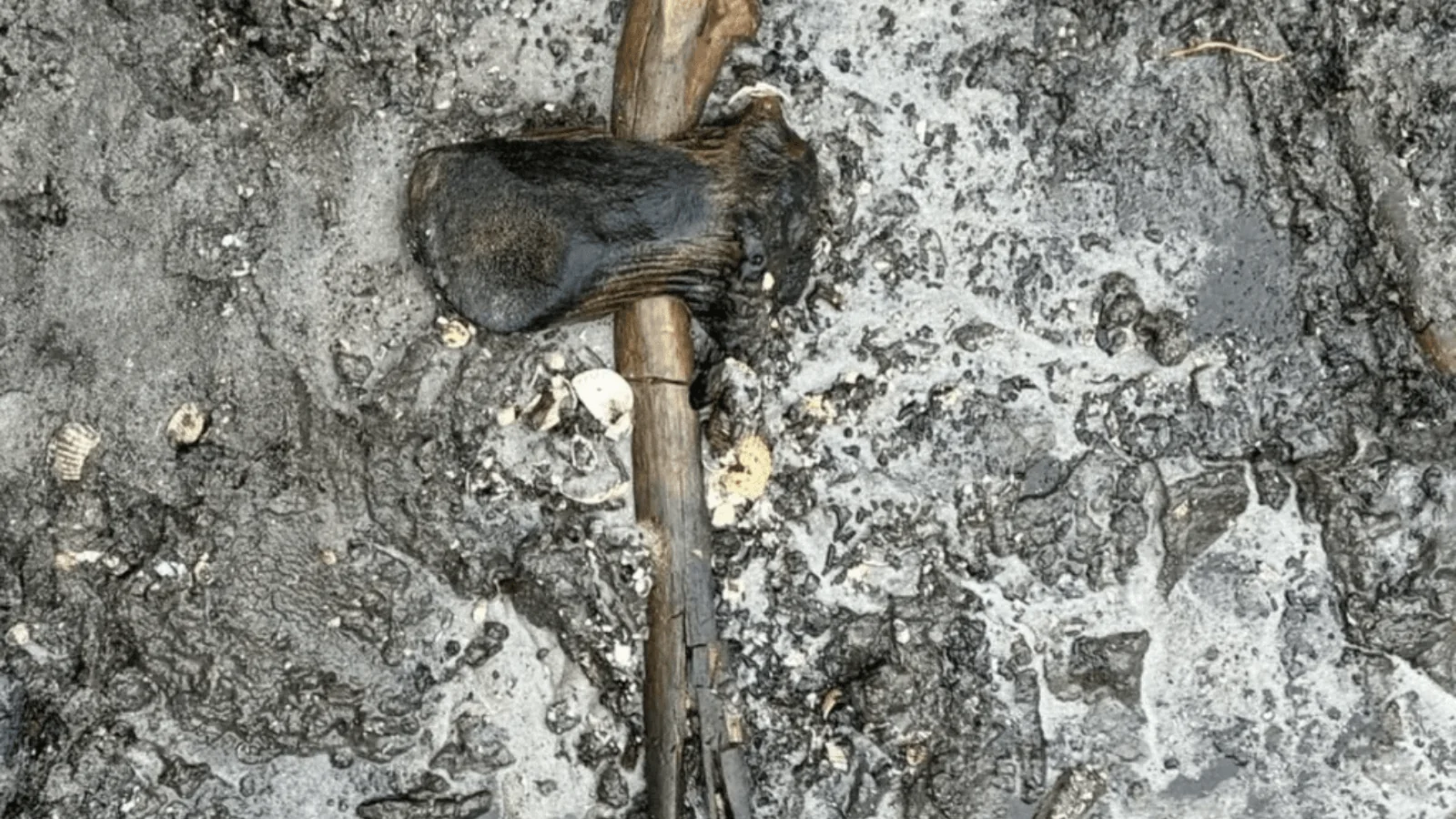
Archaeologists in Denmark have discovered an approximately 8,400-year-old axe made from deer antler, with its original wooden handle remarkably preserved. Found on the island of…
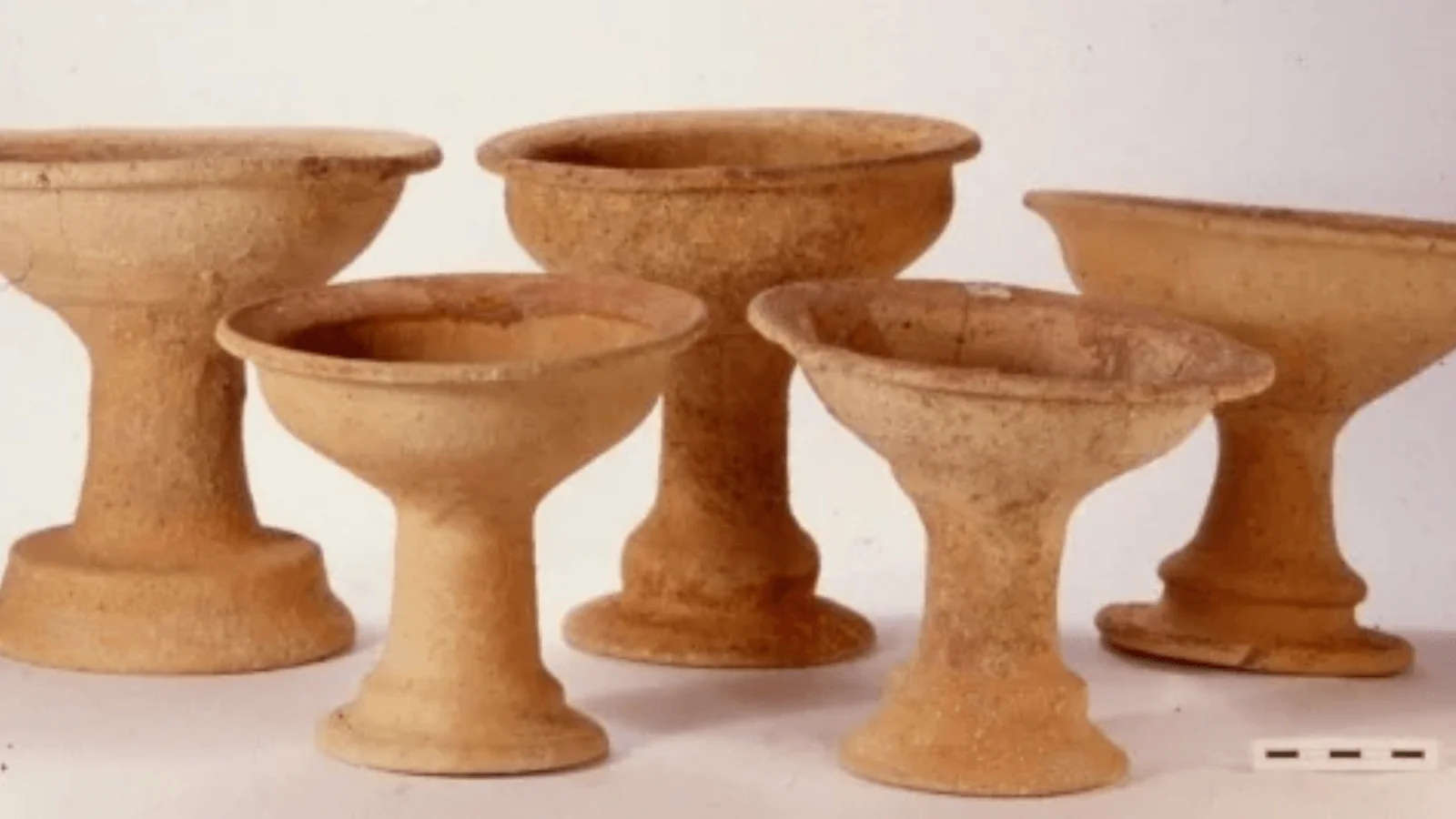
Nearly 3,000 years ago, mourners at ancient Pella in present-day Jordan placed ceramic cups alongside their dead, sometimes positioning them beneath the heads of the…

An approximately 1,800-year-old Roman sarcophagus decorated with scenes of legendary Amazon warriors is attracting renewed attention in western Türkiye. Originating from the territory of the…
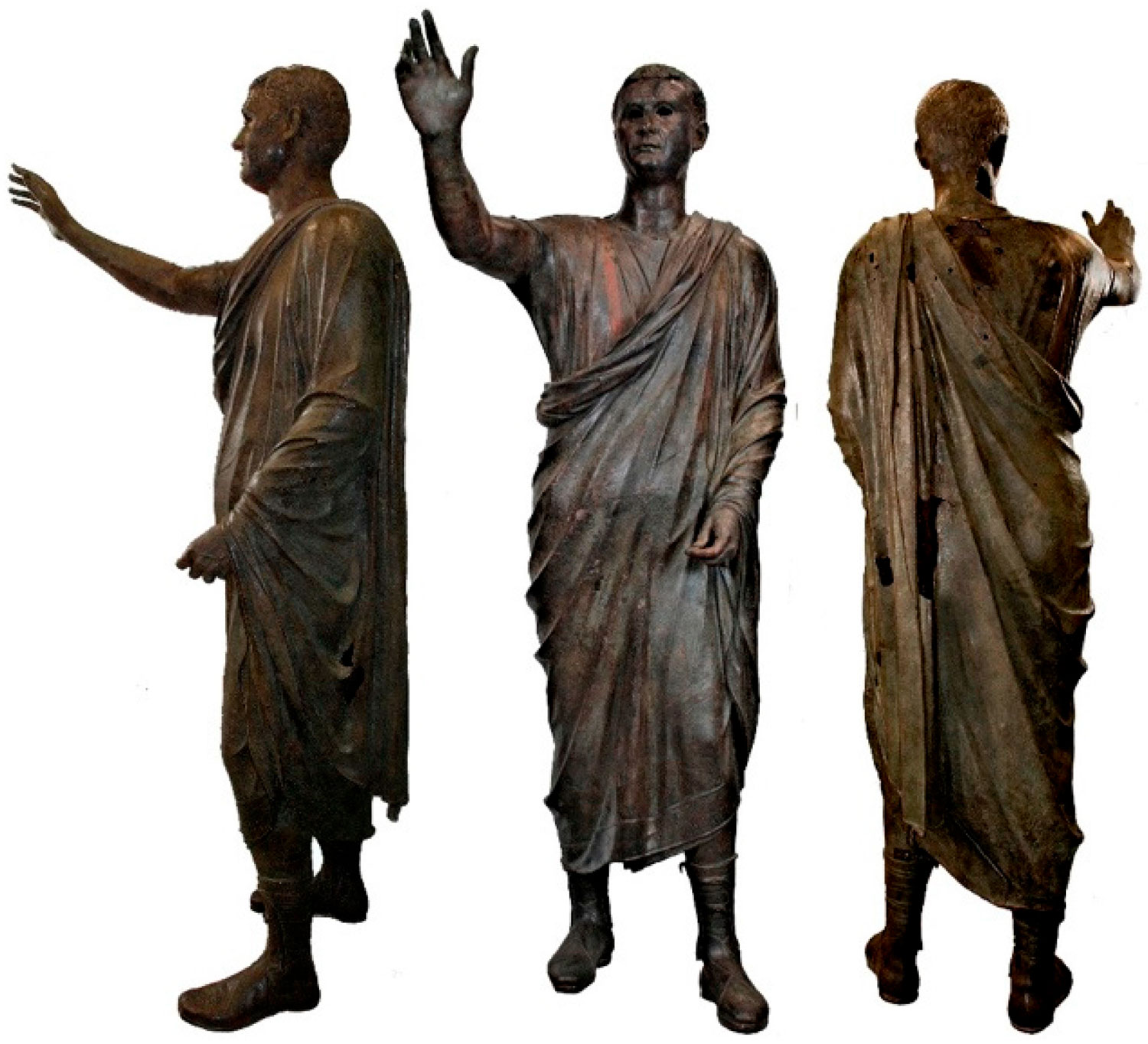
One of the most celebrated surviving Etruscan bronze statues may have looked strikingly different more than 2,200 years ago. Scientists have found evidence that the…
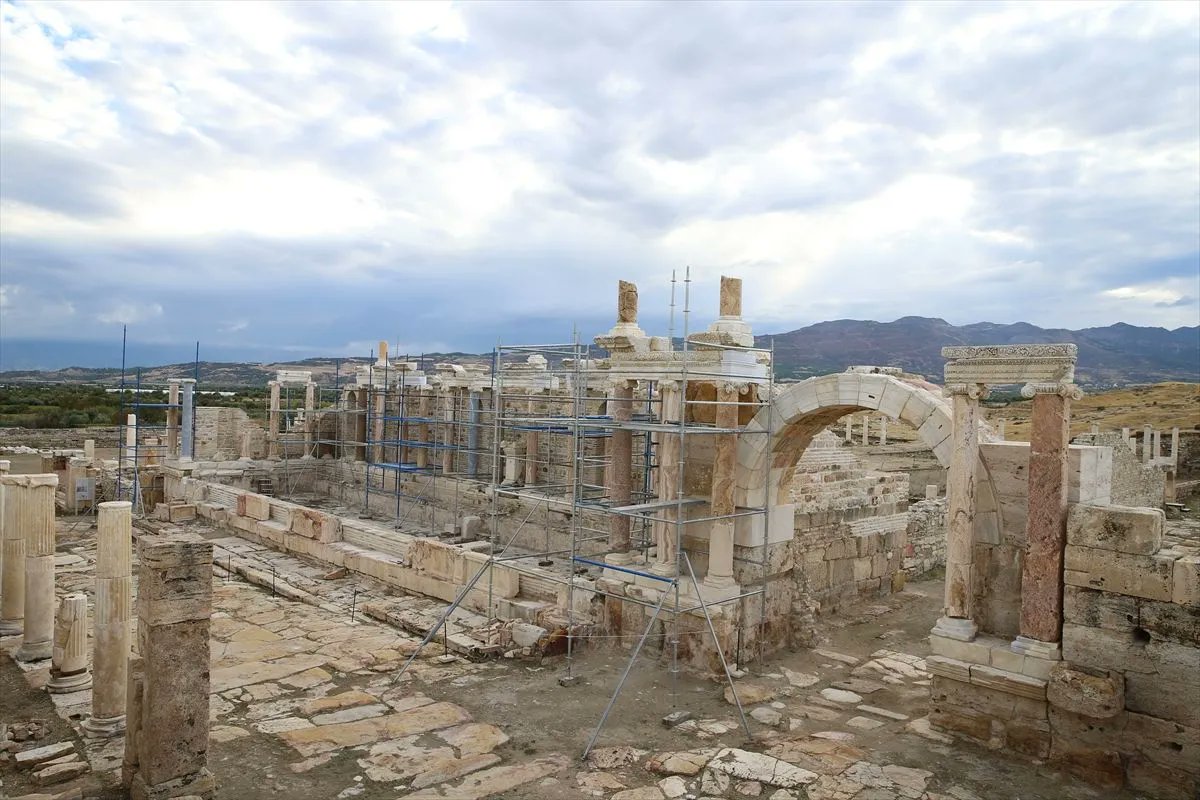
A monumental Roman fountain in the ancient city of Tripolis, western Türkiye, is gradually taking shape again as archaeologists work to restore its three-story façade…